The Peat Problem As peat bogs become protected how are Islay distilleries planning to keep that smoky flavour Discuss wood-smoke alternatives
The captivating smoky flavour that defines Islay whiskies is at a crossroads. As environmental concerns increasingly prioritize the protection of peat bogs, Islay distilleries face the challenge of preserving their iconic taste while adhering to sustainable practices. Let’s delve into the peat problem and explores potential wood-smoke alternatives to maintain the beloved smoky flavour.
Islay, a small island off the west coast of Scotland, is renowned for its distinctive whiskies, characterized by bold flavours and an unmistakable smoky aroma. This signature profile is largely attributed to peat, an organic material formed from decayed vegetation in waterlogged conditions. Peat is traditionally used to dry malted barley, infusing it with phenolic compounds that impart the characteristic smoke.
For centuries, Islay's distilleries have relied on local peat as a cornerstone of their production processes. However, the growing recognition of peat bogs as vital carbon sinks has led to increased conservation efforts, raising questions about the future of peat extraction on the island. The challenge lies not only in finding alternative sources of the smoky flavour but also in maintaining the authenticity that peat has brought to Islay whiskies.
As the demand for sustainable practices intensifies, distilleries are faced with the task of innovating without compromising on quality. The unique conditions of Islay's peat bogs have historically contributed to the distinct characteristics of the whiskies produced there. Any shift away from traditional practices must carefully balance the preservation of these unique attributes with the new environmental realities.
The Environmental Imperative: Protecting Peat Bogs
Peat bogs play a crucial role in the global carbon cycle, sequestering significant amounts of carbon dioxide and mitigating climate change. The degradation of these ecosystems through drainage and extraction releases stored carbon, contributing to greenhouse gas emissions. As a result, governments and environmental organizations are advocating for the protection and restoration of peatlands worldwide.
In Scotland, initiatives are underway to safeguard peat bogs, with the aim of balancing ecological preservation with local economic interests. For Islay distilleries, this presents a complex dilemma: how to maintain their unique flavour profiles while complying with environmental regulations. The transition towards sustainable practices requires careful consideration of both ecological impacts and the cultural significance of peat in whisky production.
Moreover, the conservation of peatlands is not only a local concern but a global imperative. Peat bogs are among the most efficient carbon storage systems on the planet, and their preservation is critical in the fight against climate change. This has led to increased collaboration between environmental groups and the whisky industry, seeking solutions that benefit both the environment and the cultural heritage of Islay whiskies.
Exploring Alternatives: Wood-Smoke Options
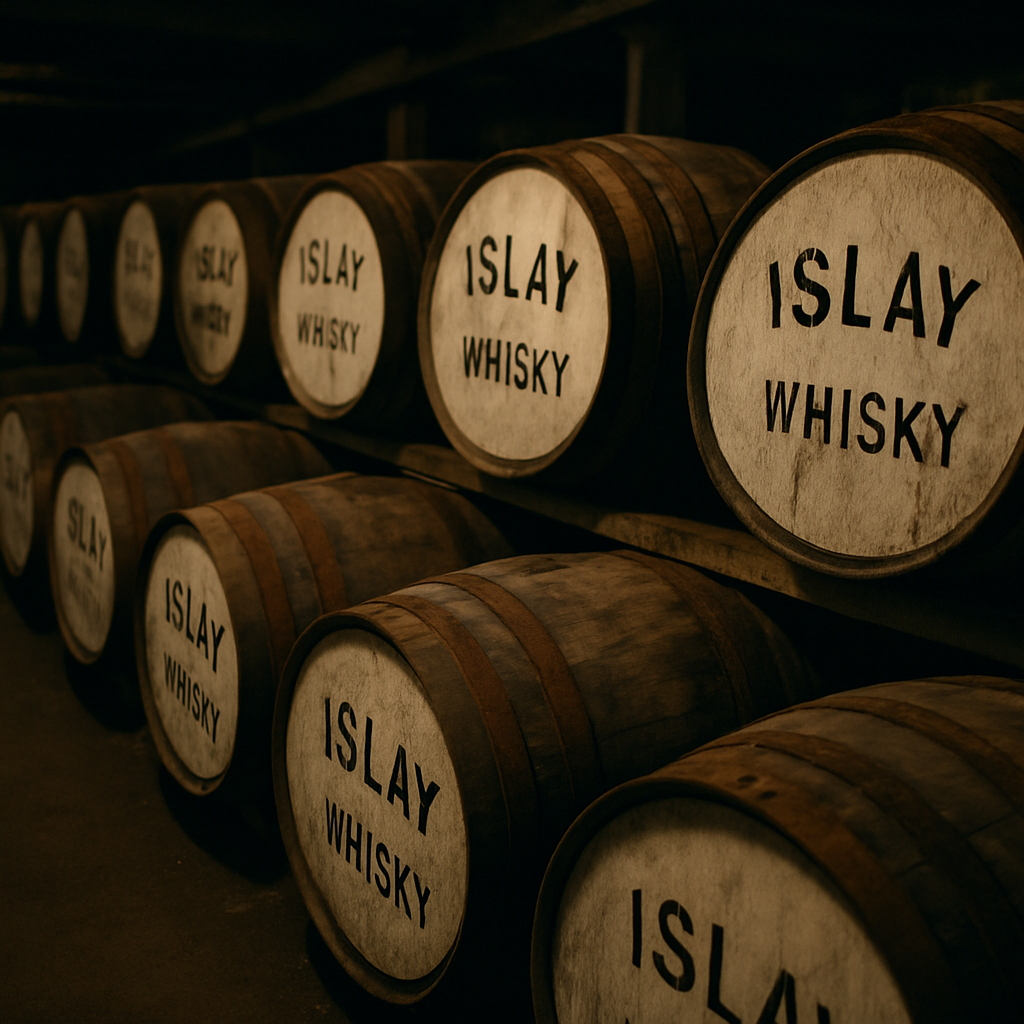
The challenge of finding viable alternatives to peat has spurred innovation within the industry. Some distilleries are experimenting with wood-smoke options to replicate the smoky essence traditionally achieved through peat. Here are several potential alternatives being explored:
Wood as a Source of Smoke
Wood, a renewable resource, offers a promising avenue for creating smoky flavours. Distilleries are investigating various types of wood, such as oak, beech, and cherry, to determine their suitability for imparting desired smoky notes. Each wood type contributes distinct flavours, offering opportunities to diversify and innovate within Islay's whisky offerings. The use of wood not only provides a sustainable option but also allows for creative exploration of new flavour profiles.
By experimenting with different types of wood, distilleries can expand their flavour repertoire while reducing their environmental footprint. The choice of wood can influence the aroma, intensity, and complexity of the smoke, providing distillers with a versatile tool to tailor their products. This exploration of wood sources aligns with broader trends in the industry towards sustainability and innovation.
Smoked Barley and Grains
An alternative approach involves smoking barley or other grains before the malting process. This method allows distilleries to control the intensity and character of the smoke, providing flexibility in flavour development. By experimenting with different smoking techniques and times, distillers can achieve a range of smoky profiles that align with traditional Islay tastes. This method offers the dual benefits of maintaining the smoky essence while potentially enhancing other flavour dimensions.
The ability to fine-tune the smoking process offers distilleries a level of precision that can lead to new taste experiences. This approach not only retains the sought-after smoky characteristics but also opens the door to creating whiskies with unique and diverse flavour profiles. The adaptability of smoked grains ensures that the traditional spirit of Islay whiskies is preserved, even as production methods evolve.
Blending Techniques
Blending remains a vital tool for crafting complex whisky profiles. By combining peated and unpeated whiskies, distilleries can strike a balance between smoky and non-smoky elements. This approach enables them to maintain the signature Islay character while reducing reliance on peat. The art of blending allows for the creation of nuanced expressions that capture the essence of Islay whiskies without compromising sustainability goals.
Blending offers a strategic pathway to innovation, allowing distilleries to experiment with new flavours while honouring traditional methods. This technique provides flexibility in product development, enabling distilleries to tailor their offerings to meet evolving consumer preferences. The skilful blending of various whisky components showcases the creativity and expertise of Islay's whisky makers, ensuring the continued allure of their products.
Islay Distilleries Innovating for the Future:
Several Islay distilleries have taken proactive steps to address the peat problem and explore wood-smoke alternatives. Here, we examine some innovative approaches:
Bruichladdich Distillery
Bruichladdich, known for its progressive stance on whisky production, is actively researching sustainable alternatives to peat. The distillery is experimenting with a variety of wood types, exploring their potential to replicate the desired smoky flavour. Additionally, Bruichladdich is committed to sourcing locally and responsibly, ensuring minimal environmental impact. Their approach demonstrates a commitment to sustainability without sacrificing the distinctive qualities that define their whiskies.
Moreover, Bruichladdich's efforts extend beyond just wood exploration. They are actively engaging with the local community and environmental organizations to promote sustainable practices across the industry. By fostering partnerships and sharing their findings, Bruichladdich is paving the way for a more sustainable future for Islay whiskies, setting a benchmark for responsible innovation.
Lagavulin Distillery
Lagavulin, a stalwart of Islay whiskies, is embracing a blend-centric strategy to preserve its smoky legacy. By artfully combining peated and unpeated spirits, Lagavulin is crafting expressions that retain the essence of smoke while diversifying flavour profiles. This approach allows for continued innovation without compromising traditional characteristics. Lagavulin's dedication to maintaining their iconic style while adapting to environmental challenges exemplifies the resilience of the industry.
In addition to blending, Lagavulin is also exploring alternative smoking methods to enhance their flavour offerings. By integrating new techniques and sources, they are able to expand their product line while preserving the integrity of their brand. This dual approach of blending and innovation ensures Lagavulin's continued prominence in the world of Islay whiskies, providing a model for balancing tradition with modernity.
Ardbeg Distillery
Ardbeg, revered for its robust and smoky whiskies, is exploring smoked barley as a means of maintaining its iconic flavour. By adapting their malting process to include wood-smoked grains, Ardbeg aims to recreate the intensity of peat smoke while reducing its ecological footprint. This commitment to sustainability aligns with the distillery's ethos of innovation and environmental stewardship. Ardbeg's approach underscores the importance of adaptability in maintaining the allure of their products amidst changing environmental landscapes.
Additionally, Ardbeg is investing in research and development to further refine their smoking techniques. By continuously pushing the boundaries of flavour creation, they are not only preserving their signature style but also contributing to the broader knowledge base of sustainable whisky production. Ardbeg's dedication to innovation and sustainability ensures that their whiskies remain at the forefront of the industry, captivating enthusiasts with every sip.
The Path Forward: Balancing Tradition and Sustainability
As Islay distilleries navigate the complexities of peat conservation, a clear path forward involves balancing tradition with sustainability. The industry is recognizing the necessity of adapting to changing environmental priorities while preserving the essence of Islay's whisky heritage. This balance requires a nuanced approach that respects both the cultural significance of traditional practices and the urgent need for environmental stewardship.
Continued collaboration among distilleries, environmental groups, and governmental bodies will be essential in developing comprehensive strategies that address both ecological concerns and the preservation of Islay's unique whisky character. By working together, stakeholders can create solutions that honour the legacy of Islay whiskies while ensuring their future viability. This collaborative spirit will be key to navigating the challenges and opportunities presented by the peat problem.
Moreover, the industry's commitment to sustainability must be matched by consumer awareness and support. Educating whisky enthusiasts about the environmental impacts of peat extraction and the importance of sustainable practices can foster greater appreciation for the efforts being made. By engaging consumers in the journey towards sustainability, Islay distilleries can build a strong community of advocates who share their vision for a responsible and innovative future.
Embracing Innovation for a Sustainable Future
The peat problem presents both challenges and opportunities for Islay distilleries. By embracing innovation and exploring wood-smoke alternatives, distilleries are poised to maintain their smoky flavour while contributing to global sustainability efforts. As the industry evolves, Islay whiskies will continue to captivate enthusiasts with their distinctive character, honouring tradition while adapting to a changing world.
In the end, the commitment to preserving the smoky allure of Islay whiskies is a testament to the resilience and ingenuity of the distilleries that call this remarkable island home. Their efforts to balance heritage with innovation demonstrate a forward-thinking approach that will ensure the continued success of Islay whiskies for generations to come. As they navigate the complexities of sustainability, these distilleries are setting a standard for excellence that extends beyond flavour, embodying a dedication to both craft and the environment.